February 4, 2026
Understanding what a roof estimate involves is crucial for homeowners considering roof repair or replacement. A thorough understanding of this process not only aids in ensuring a well-maintained home but also in safeguarding your investment. From decoding contractor proposals to navigating the fine print, we will explore essential aspects to help you achieve the best roofing solutions. Let's take a closer look at what homeowners should anticipate and prepare for during the roof estimation process.
Understanding the Initial Consultation
The initial consultation is a critical step in obtaining a roof estimate. It allows homeowners and the contractor to align expectations and discuss specific needs or concerns. During this meeting, the contractor will begin to evaluate the scope of the work required, which includes assessing the current state of the roof. A comprehensive initial consultation sets the foundation for accurate estimate pricing and project timelines. The better prepared you are for this meeting, the more productive it will be for both parties.
To make the most of the consultation, proper preparation is key. Homeowners should ensure easy access to the roof and remove any potential obstructions. Additionally, having a list of questions prepared for the contractor can provide valuable insights and clarification. Consider asking about the roofer's experience, the typical project timeline, and what specific materials they recommend. As each house is unique, these details will enable you to assess whether the potential contractor is the right fit for your project.
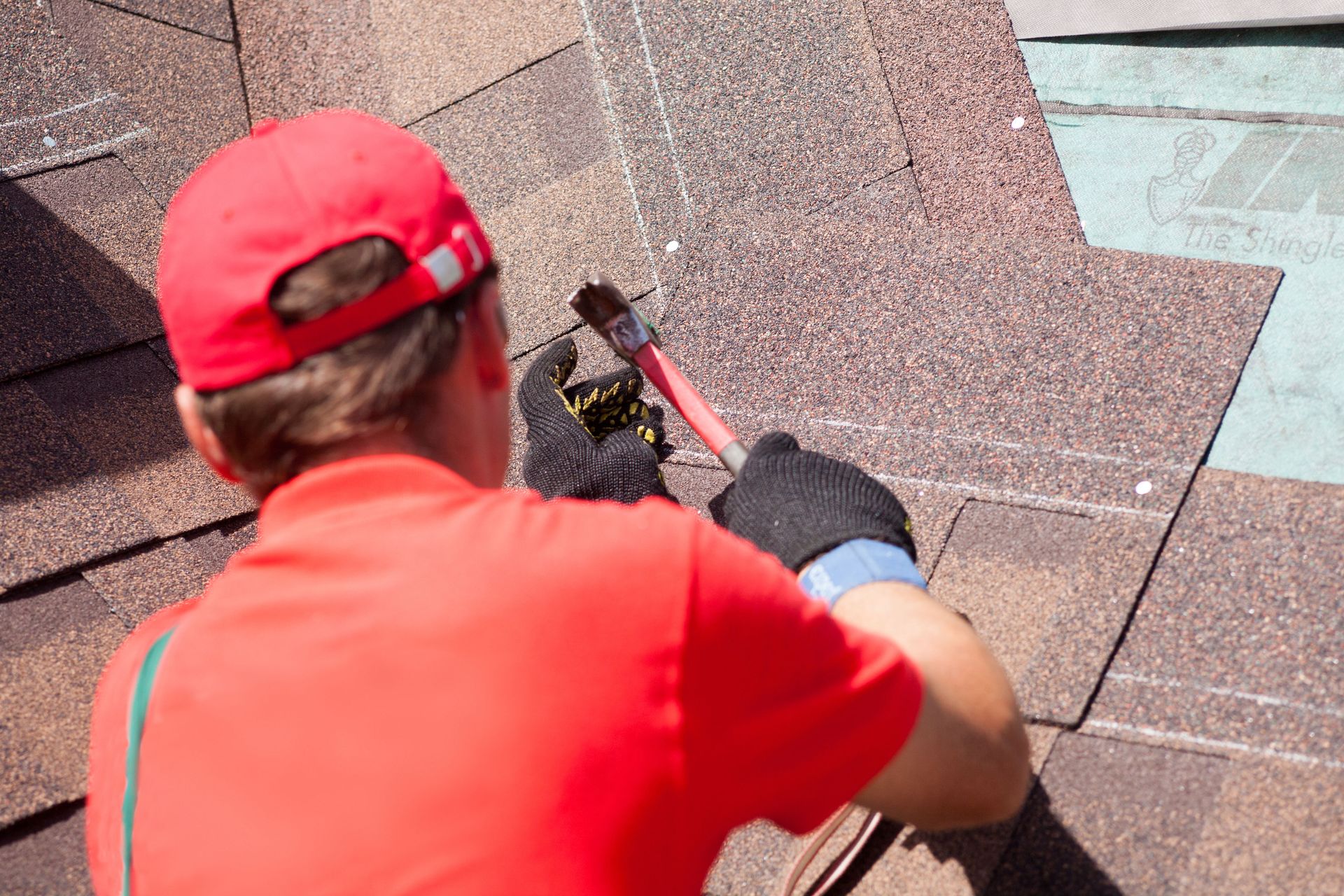
The consultation usually involves a thorough inspection of the roof's current condition and lasts approximately one to two hours. During this time, the contractor will likely look for visible damage, signs of aging, and other potential issues. According to This Old House, you should have a professional roof inspection at least once a year, which helps identify issues early on. After the assessment, the contractor may invite you into a discussion about their findings, their approach to repairs or replacement, and any considerations specific to your home. This is your opportunity to verify the contractor's technical expertise and reliability.
Components of a Roofing Estimate
The roof estimate is composed of several key components that contribute to the final project cost. Understanding these elements will help you assess the fairness and feasibility of a contractor's proposal. Material costs are one of the primary components, detailing the specific supplies and their associated pricing. It's important to differentiate between material quality and total square footage required. Look for detailed information outlining what brands or types of roofing materials will be used and how this impacts longevity and maintenance.
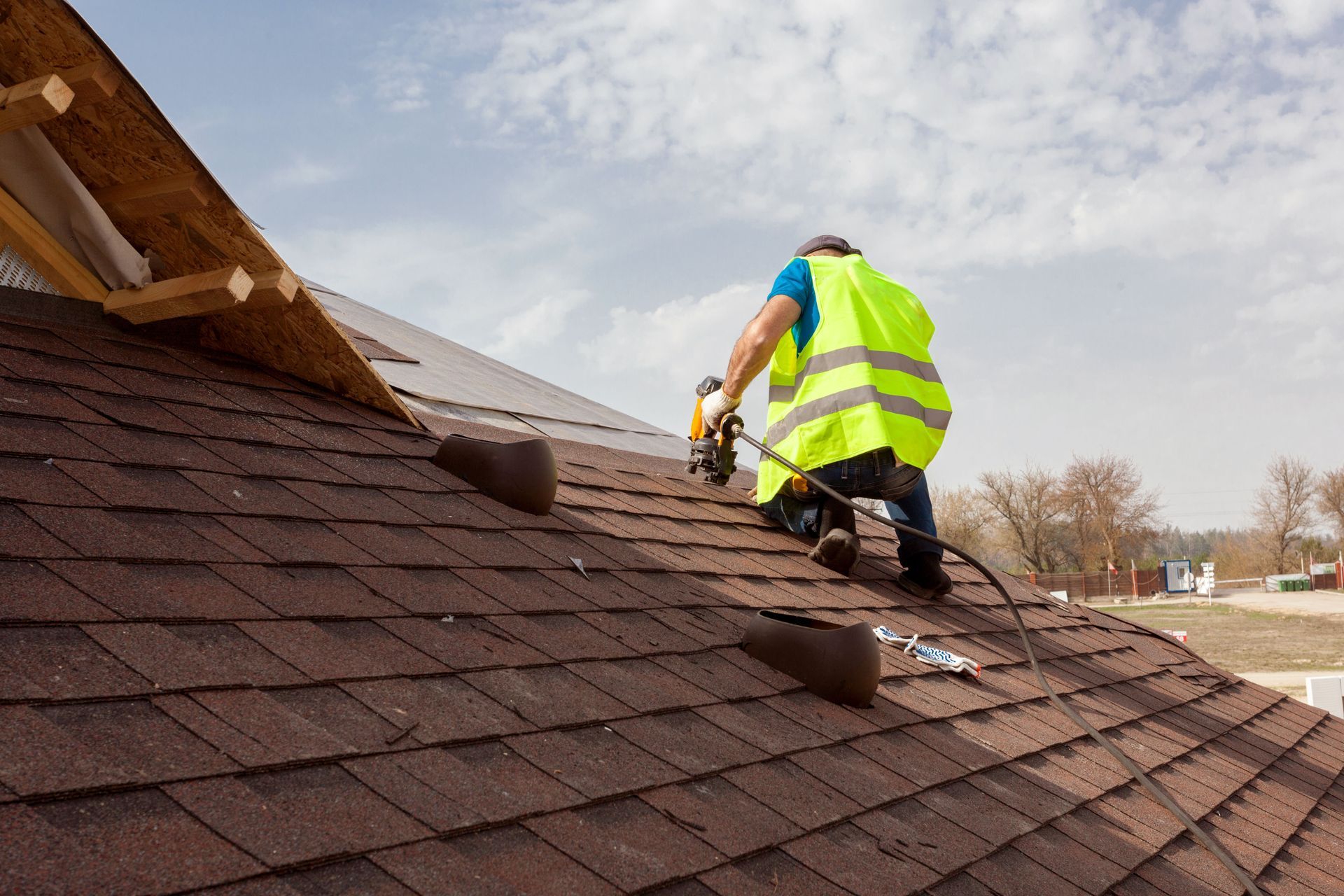
In addition to material costs, labor and installation fees make up a significant portion of the overall estimate. The expertise of the installation crew, the complexity of the job, and the time required to complete the task are all factors that affect this component. Inquire about the crew's experience and the roles of any subcontractors involved. Knowing who will be working on your roof and their specific expertise gives you an idea of the reliability and quality of work expected. Don't hesitate to ask how labor costs might fluctuate based on unforeseen conditions or complexity.
Additional charges and fees, such as permits, waste disposal, and potential contingency funds, may appear in the roof estimate. It's crucial to recognize these potential extras to avoid surprise costs midway through the project. When comparing estimates from different contractors, ensure you're comparing like-for-like by identifying these additional charges. Some contractors may offer comprehensive estimates that encompass all foreseeable costs, while others may provide lower base estimates with frequent add-ons. Understanding payment terms, including deposit requirements and phased payments, will help you manage your cash flow efficiently throughout the project.
Factors Influencing the Estimated Cost
The cost estimate for a roof project is highly influenced by the roof's size and design complexity. Larger roofs naturally require more materials and longer labor hours, subsequently increasing the costs. Additionally, complex designs with multiple angles, valleys, or architectural features present greater challenges. These require skilled labor and potentially specialized materials, both of which contribute to the estimate's higher end. Accurate measurements and a clear understanding of the architectural complexities enable contractors to provide realistic projections and homeowners to prepare financially.
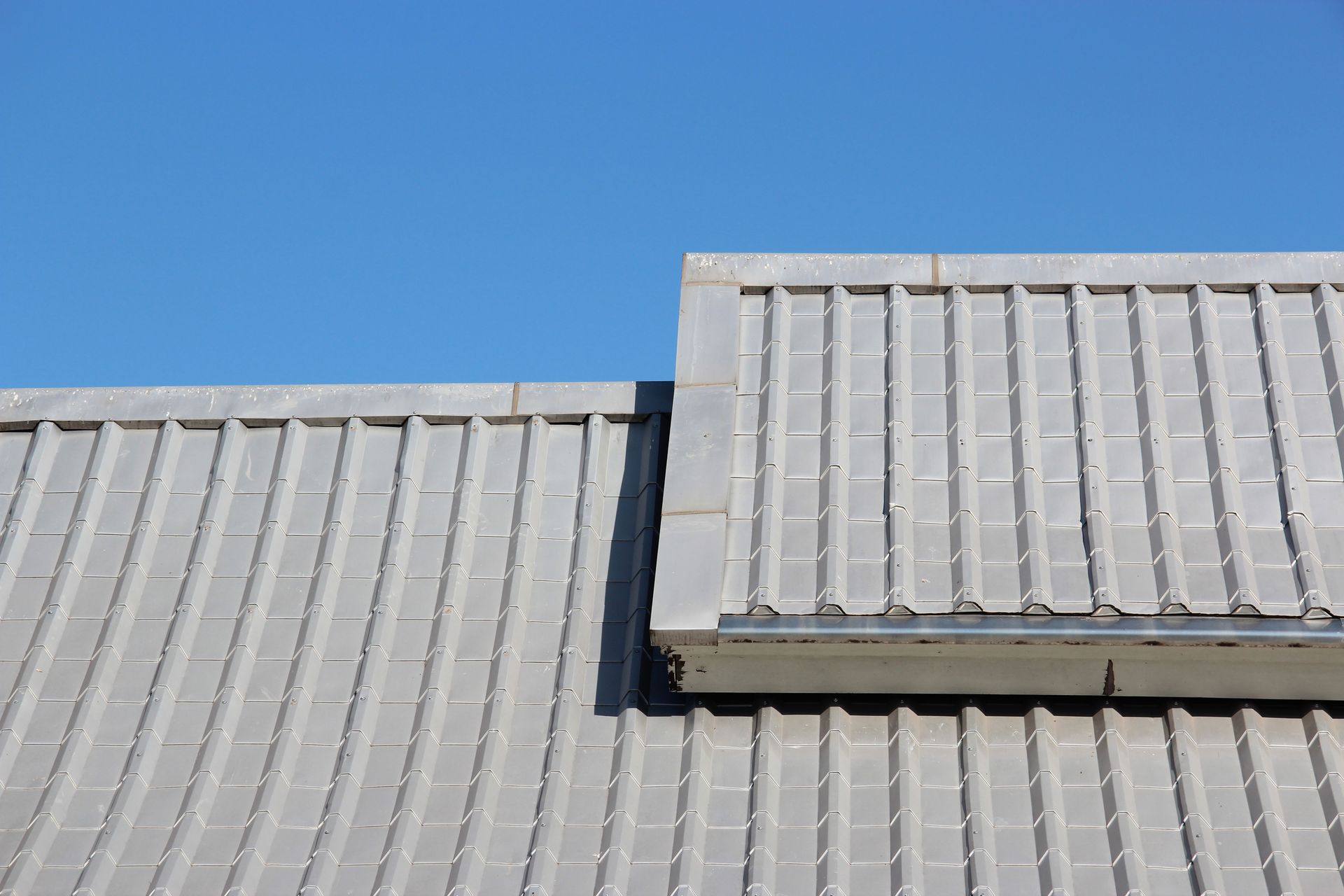
The choice of roofing materials significantly impacts the overall cost estimate. Materials range from budget-friendly options like asphalt shingles to more premium choices like slate or metal roofing. Each type of material offers unique advantages in terms of durability, aesthetic appeal, and energy efficiency. Concrete or clay tiles might offer aesthetic value, but could be more expensive due to their weight, requiring additional structural support. A clear discussion with the contractor about material options and their implications helps align choices with budget and longevity expectations.
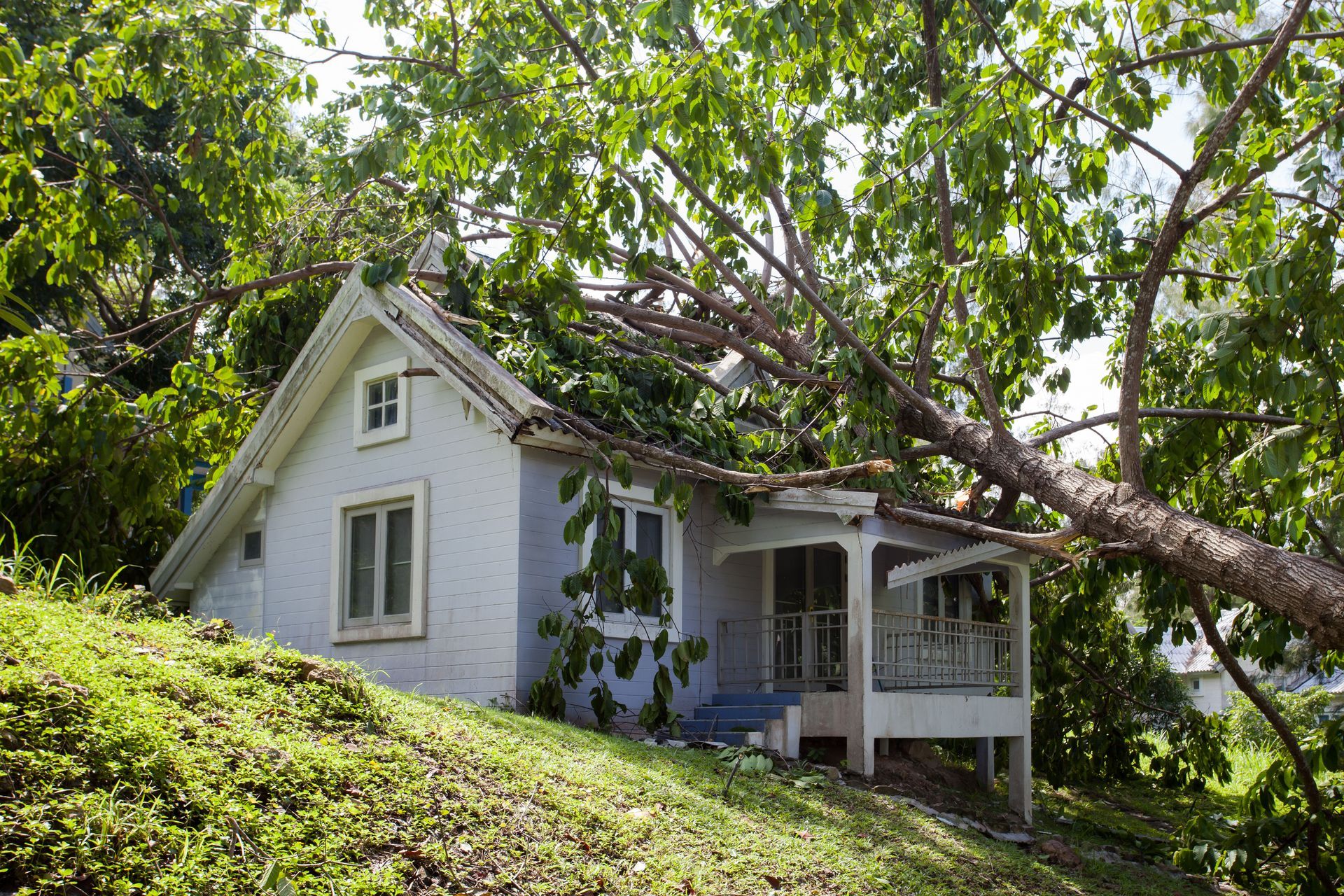
Accessibility and the location of your property also influence the roof estimate. A home situated in an urban setting with ample access can reduce logistical hassles, whereas rural or hard-to-reach locations may incur higher transportation costs. The ease of accessing the roof itself - including factors like steep pitch or surrounding landscape such as trees - can require additional safety measures or equipment. Consideration of the roof's current condition is equally crucial, as more damage typically means more extensive repair work. Lastly, weather and seasonal factors often influence scheduling and could lead to price variability depending on the time of year you schedule the repair or replacement.
Evaluating the Contractor's Qualifications
Selecting the right contractor entails verifying their qualifications and credibility. The first step involves checking licenses and certifications pertinent to the roofing industry. This not only ensures compliance with local regulations but also signifies a commitment to adhering to industry standards. Keep in mind that certifications could indicate a contractor's proficiency with particular materials or techniques. Proper documentation is vital for legal and safety assurances, and it ultimately reflects the contractor's professionalism.
Looking into the contractor's experience is crucial for evaluating their expertise. Experienced contractors tend to have a broader understanding of various roof types and the challenges inherent to each. Verify their track record with similar projects, particularly in terms of size, material, and complexity relative to your needs. Requesting a list of previous clients or projects can give you insights into their work quality and reliability. An experienced contractor is more likely to provide accurate estimates and fixture timelines, safeguarding your investment and ensuring your peace of mind.
Another vital step in evaluating a contractor is exploring online reviews and testimonials. Online platforms provide a wealth of information, reflecting previous clients' satisfaction and any issues. In reading reviews, pay attention to comments about punctuality, professionalism, communication, and problem resolution. While individual reviews may vary, consistent patterns, either positive or negative, can be a strong indicator of the contractor's reputation.
Once you've selected your contractor, officially informing them and scheduling the project are the concluding administrative tasks. Clearly communicate your acceptance of their proposal and confirm essential aspects such as project start date, payment plan, and any documentation needed. The scheduling phase involves preparing both your home and timelines for the roofing work commencement. Clearing spaces, securing belongings, and coordinating with your contractor on necessary logistics will facilitate a smoother process. This final organization stage sets the stage for an efficient and effective roof renovation or repair project.
Securing a comprehensive and transparent roof estimate is a vital step in safeguarding your home. By understanding each component of the estimate and evaluating your options thoroughly, you can ensure you select a qualified contractor and receive fair value for your investment. With this guide, you'll be well-prepared to navigate the roof estimate process confidently. Roof maintenance is a significant commitment, and entering this venture informed allows homeowners to mitigate risks associated with such projects. Remember, a well-executed roofing project not only enhances your home's appearance but also adds durability and value to one of your biggest investments. Contact Ron Bickel Roofing, Inc today to get started with a clear, accurate estimate.